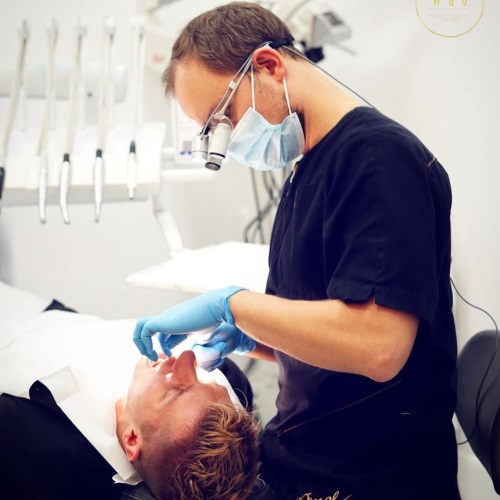
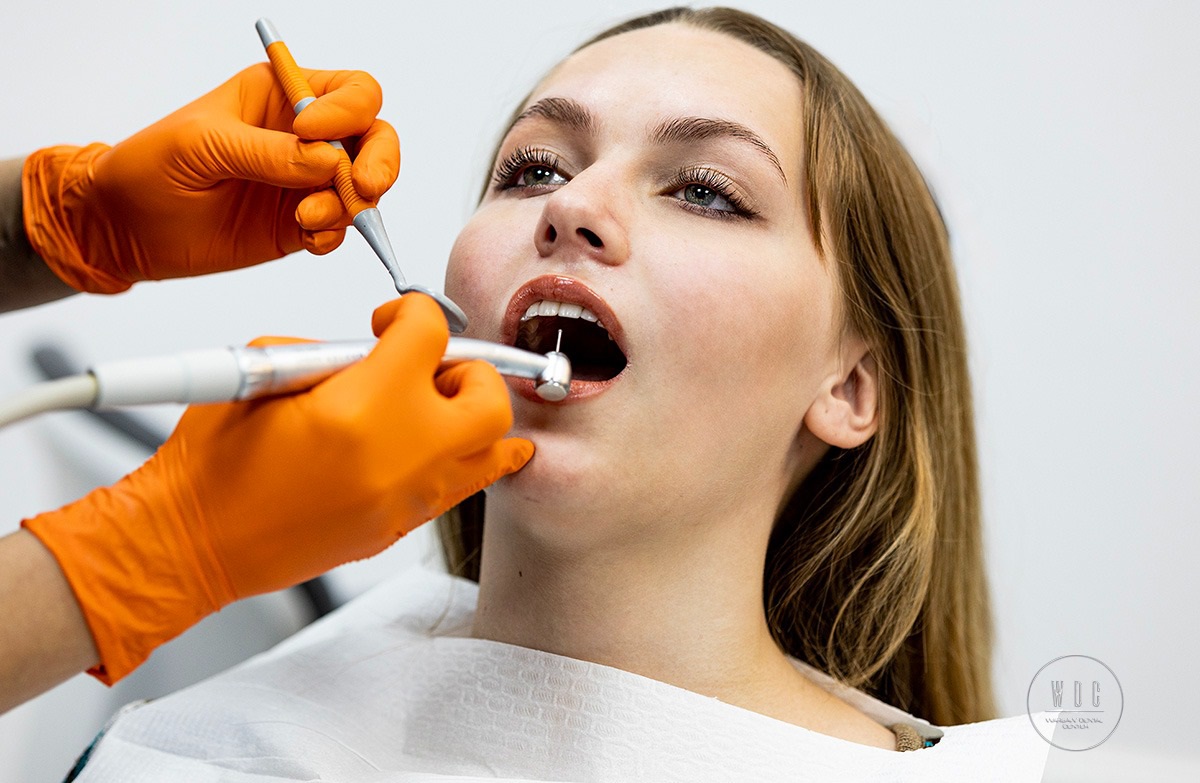
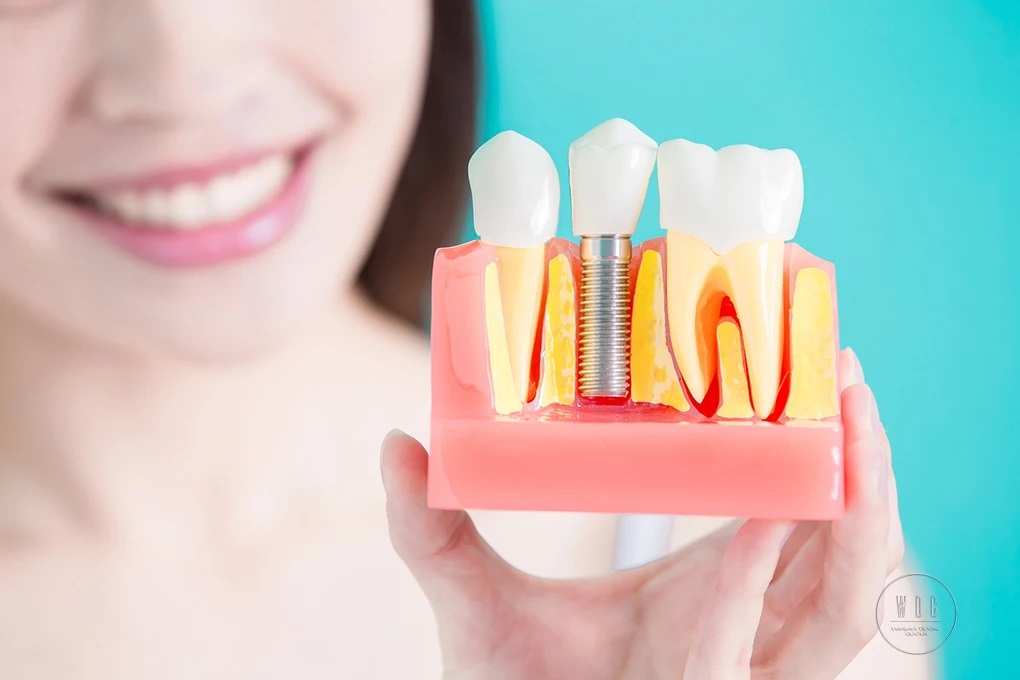
Our strength is quality and friendly atmosphere.Thanks to them, both our doctors and you, the patient, can feel confident during dental procedures. Here at Warsaw Dental Center, our experienced surgeon discusses the treatment plan with you. Not only will he explain what will happen, but he will also inform you about every step according to the planned treatment. You know what surgical procedures involve and how much time and money they will cost you.
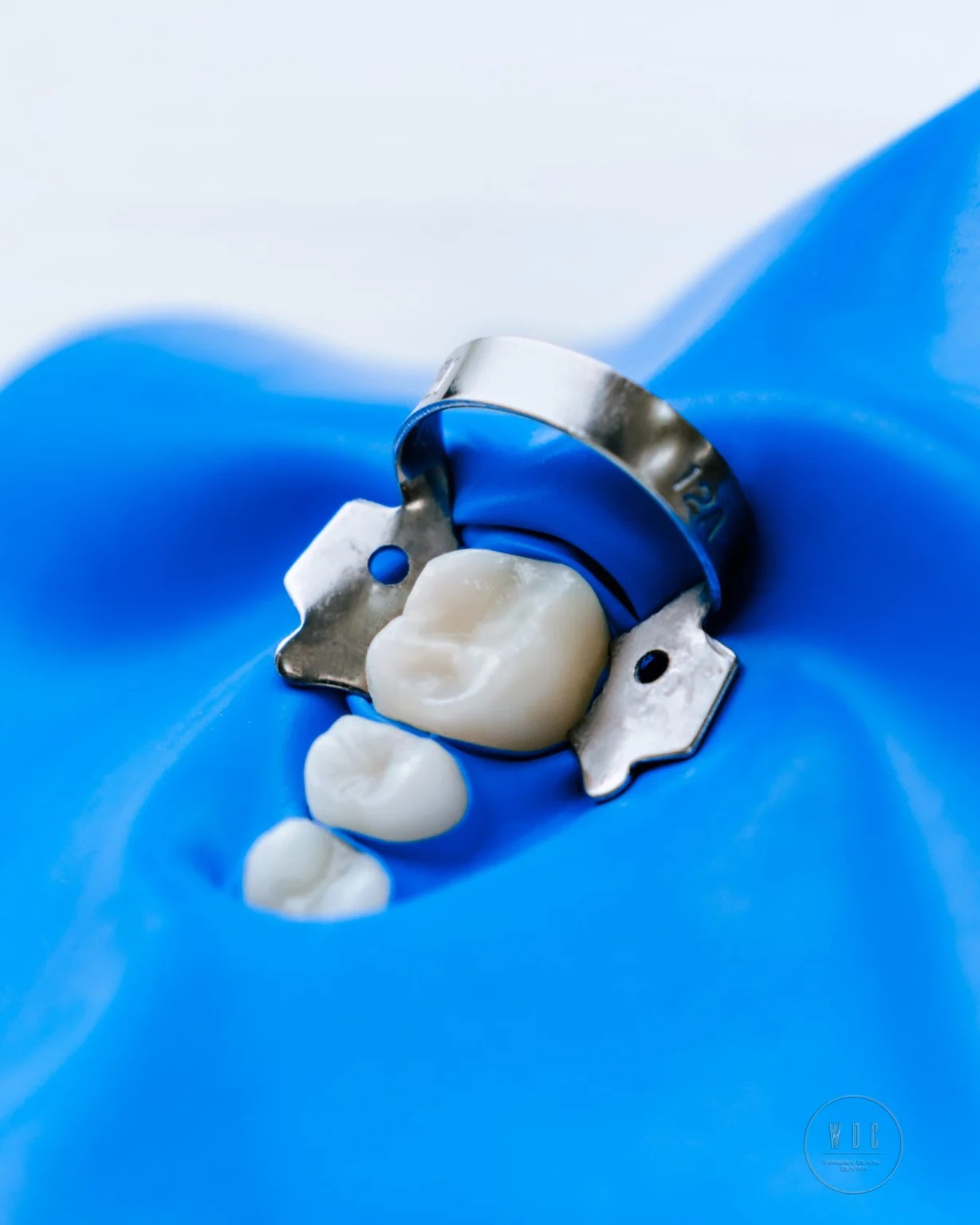
The patient feels safe and comfortable. At the Warsaw Dental Center, the surgeon discusses Bartosza Leończaka, the procedure with the patient
We cordially invite you to consult a dentist who works at our Warsaw Dental Center in Warsaw.
Najwyższej jakości sprzęt i przyjazna atmosfera to nasze atuty
A graduate of the Medical University of Warsaw. She is constantly expanding her knowledge and competences. She completed the "Surgical Dentistry" specialization and successfully passed the state examination in the specialization. She took part in numerous specialist courses, including the world-famous Hürzeler/Zuhr master classes in Munich. At the Warsaw Dental Center, he performs surgical operations, tooth extraction, apical resection, cyst removal, and tooth implantation. We try to remove each wisdom tooth that comes our way in an atraumatic way, making it easier for our patients to return to their daily activities. In implantology, he uses the latest techniques and instruments, including individually designed precise surgical guides. Privately, he is a smiling father of two sons and a windsurfer.
Our priority is your smile
Outstanding specialists in various fields of dentistry are responsible for the transformation of your smile at Warsaw Dental Center. Our treatment is effective, painless and carried out efficiently.
The patient knows what surgical procedures look like. He also knows how long the treatment will take and how much it will cost.
We perform tooth extractions on a regular basis, which is an important part of our practice. This procedure involves precisely removing the tooth from its socket using special tools. After the procedure, we will apply a bandage or delicate sutures to ensure the correct type of healing occurs. However, it is worth emphasizing that the use of general anesthesia is a step that is taken only in extreme situations. At the Warsaw Dental Center in Warsaw, we choose this option only when the patient’s teeth are in a state of disrepair that prevents effective conservative treatment.
Often, the removal of upper molars leads to disruption of the continuity of the bottom of the maxillary sinus. This condition may be a consequence of both the atypical location of the tooth roots in the maxillary sinus and long-term inflammation of periodontal origin. In such situations, the surgeon conducts a thorough examination to determine the presence of a connection between the oral cavity and sinuses. If such a connection is confirmed to exist, we use advanced techniques. We use a displaced mucosal flap to carefully close the hole. The wound is then carefully sutured to ensure adequate recovery. This process continues for several days, thus ensuring complete recovery.
Resection of the root apex is an important step in the process of saving a tooth from extraction, especially in cases where other treatment methods are ineffective. It is used when other therapeutic options have been exhausted. This is especially appropriate when traditional root canal treatment does not bring the expected results and does not eliminate inflammation around the root. There is also a need for this procedure if it is impossible to fill the entire canal, as well as in situations where the instrument has broken in the canal or when the filling material has leaked outside the root canal. In such exceptional cases, re-treatment is necessary. The resection procedure involves precisely cutting off the root tip and then filling the canal with advanced material. This is a complex task that our experienced oral surgeon performs with precision and care for your health.
We surgically remove impacted teeth using advanced physiodispenser technology. These teeth, although developed, will not be able to reach the surface of the dental arch, partially or completely. This procedure is much more complex than traditional tooth extraction. It is performed only by an experienced dental surgeon. The third molars, known as “figure eights,” are often affected. The use of a physiodosator is a key element to guarantee excellent support and maximum precision during the procedure. This product is particularly useful in hard tissue procedures where precise movements and simultaneous cooling with saline are required. Its use is superior to apical resection, osteotomy, or trephination of the alveolar process. The physiodispenser is invaluable not only when removing third molars, but also when modeling and smoothing adjacent areas of bone and installing dental implants.
Procedures to remove impacted teeth often cause fear among patients. That's why we offer the option of general anesthesia, which ensures complete comfort and minimizes the stress associated with the procedure. Before administering this type of anesthesia, we conduct a thorough history taking by a qualified anesthesiologist. The anesthesiologist ensures the patient's safety both during and after the procedure, allowing the patient to focus only on recovery and recovery.
Alveolar plastic surgery is key in preparing this structure for future prosthetics or implantation. It mainly involves reconstruction of the alveolar process using modern bone substitutes or bone-forming materials. Thanks to this procedure, we restore the correct morphology of the appendix, which is extremely important for the success of further prosthetics or implantation. Our clinic has extensive experience in this field, which guarantees complete professionalism and effectiveness of the procedure.
Cysts that appear in the jawbone area may be the result of inflammatory complications associated with the alveolar-alveolar process of the jaw. Although these cysts do not pose a direct threat to the patient's health, they can cause pain and general discomfort. Therefore, in these cases, we recommend that you consult with our experienced team of dentists and oral surgeons to plan your cyst enucleation procedure as soon as possible. The procedure is short and performed under anesthesia, which minimizes any pain. The procedure involves making a precise incision in the alveolar mucosa in the canine area and creating an opening in the wall of the maxillary sinus, allowing for effective removal of the cyst. After the procedure, the wound is carefully sutured by our experienced dental surgeons, and the recovery period is relatively short, allowing the patient to recover quickly.
At our dental center, we also offer surgical procedures, which are an important part of overall orthodontic treatment. Below are some examples of how an orthodontist and oral surgeon work together to provide the best results for a patient: 1. Impacted Tooth Exposure – This procedure involves surgically exposing a tooth that has not grown or is stuck in the bone. An orthodontic element, such as a bracket, is then placed on the surface of the tooth's crown to help guide the tooth into the correct dental arch position. Thanks to orthodontic forces, the tooth is gradually moved into the correct position. 2. Frenuloplasty of the lips and tongue - the frenulum is a thin tissue that connects the tongue or lips to the alveolar process. In some cases, it may be irregularly shaped, which can lead to various health problems such as exposed necks and roots of teeth, formation of gaps between teeth, difficulties with pronunciation, and problems with maintenance of the denture in the case of dentures. Frenuloplasty is often performed, especially in pediatric dentistry and in cases justified by orthodontic treatment before installing braces. Our experienced orthodontists and oral surgeons work together to provide comprehensive care to patients, ensuring they have a healthy, beautiful smile.
Wisdom teeth removal, also known as wisdom teeth extraction, is one of the most common procedures performed in dental offices. Dr. Bartosz Leonczak, an expert in the field of dental surgery at the Warsaw Dental Center, talks about the principles of this procedure and when to decide on it: Wisdom teeth usually develop at the end of the dental arches and often do not appear until adolescence or early adulthood. It is because of this late development that they can grow incorrectly, usually within already dense dental arches, which leads to their incorrect positioning at an unfavorable angle or even to the fact that they are not able to grow fully. In such cases, it becomes necessary to undergo a wisdom tooth removal procedure. Wisdom tooth extraction may be necessary to avoid potential complications such as pain, infection, damage to adjacent teeth or the jawbone. The decision about whether to proceed with the removal of wisdom teeth is made by the doctor after a thorough examination of the patient and assessment of the condition of his oral cavity. If you decide to undergo this procedure, you can be sure that the experienced team of dental surgeons at the Warsaw Dental Center will take care of your comfort and safety. Our priority is to ensure patient comfort throughout the extraction process, as well as providing adequate support during the recovery period. Therefore, if you are struggling with problems related to your wisdom teeth and are considering having them removed, we invite you to contact us. Our experienced team is ready to provide professional care and solutions to your wisdom teeth problems.
The most common cause of impacted wisdom teeth, especially wisdom teeth, is limited space in the dental arch. Discomfort and pain arising as a result of the process of their eruption should be a signal to consult a doctor. Failure to remove wisdom teeth promptly can lead to serious problems such as gum disease, tooth decay, cellulite, abscesses, and difficult incisor alignment or painful bone pockets. Therefore, in many cases, the intervention of a dental surgeon is required to remove an impacted wisdom tooth. The doctor, after assessing the situation, conducts a thorough examination of the oral cavity and may then recommend a CT scan to get an accurate picture of the condition of the tooth and determine the appropriate method of procedure. Symptoms that may indicate the need to remove such a tooth include: advanced caries of an impacted tooth, damage to the root of the second molar by a wisdom tooth, recurrent swelling of the submandibular area, halitosis (bad breath), swollen or bleeding gums, headache or jaw pain, and detection of cystic lesions (visible only on imaging tests). It's worth remembering that consulting with your doctor to evaluate the need for wisdom teeth removal can prevent more serious problems in the future and ensure long-term oral health.
Dental surgery also includes cases related to pediatric dentistry. This may include caring for baby teeth after trauma, tooth replantation (that is, putting a tooth back into its socket after being knocked out), and other oral procedures in children. Dental surgery professionals can help you provide proper dental care and treatment for children.
Wisdom tooth extraction is one of the surgical procedures performed by specialists in the field of dental surgery. The procedure can be performed under local anesthesia. Patients experiencing severe stress or those planning to remove more than one wisdom tooth in one procedure can use the option of general anesthesia or the assistance of an anesthesiologist at the Warsaw Dental Center clinic in Warsaw. The progress of wisdom tooth extraction, as with most surgical procedures, may be associated with some discomfort such as swelling, numbness or pain. To ensure greater patient comfort, the doctor may recommend the use of analgesics and anti-inflammatory drugs, which helps minimize the effects of the procedure. In addition, it is recommended to use oral toothbrushes designed for people after surgical procedures, rinse your mouth and follow a gentle diet for 12-24 hours after the procedure. It is important to preserve the blood clot that forms in the socket after wisdom tooth removal for as long as possible. Typically, the patient is scheduled for a follow-up visit and possible suture removal approximately one week after the procedure.
According to recent studies, there are no contraindications to surgical manipulations in the oral cavity during pregnancy and breastfeeding. These procedures, performed under local anesthesia, do not cause any anesthetic to pass into breast milk. It is worth noting that surgical operations before pregnancy can prevent possible complications caused by diseases of the teeth and oral cavity. During each trimester of pregnancy, it is recommended to have regular checkups and pay special attention to oral hygiene.
Preparing the oral cavity for surgery depends on the nature of the treatment being performed. For different procedures, you will need to follow the instructions of the doctor performing the procedure, but there are some general guidelines. For example, before removing wisdom teeth, it is recommended to eat a full meal in order to maintain the body's strength in the period after the procedure, when the patient may not be able to eat for a long time. Smokers may be asked to abstain from tobacco for a certain period of time before and after the procedure. In any case, it is important to consult with your doctor before beginning the procedure to discuss possible risks and tailor the treatment plan to your individual needs, especially in the context of pregnancy, breastfeeding and other health factors.
Typically, tooth extraction or other dental surgical procedures cause a lot of stress for patients. Therefore, it is important to choose a trusted dental clinic that guarantees the highest quality of surgery and patient comfort. Dental surgery in Warsaw at the Warsaw Dental Center ensures safe and fast treatment, minimizing patient discomfort.